
Architects and designers share ideas that will take your guest house to the next level.
Fair warning: your guests might not want to leave.
Story
Dina Mishev
1. Enhance Amenities
While staying at a client’s guest house in Maine, Rush Jenkins, co-founder of Jackson-based WRJ Design, found every drawer thoughtfully organized and stocked with anything a guest might have forgotten. “It felt as though every possible need had been anticipated before you even realized it,” says Jenkins about the guest house, which was not a WRJ project. Shannon White Burns, who founded Shannon White Design in 2008, likes to include amenities that guests don’t even know that they want, like books about wildlife, birds, or Jackson Hole history. “If the guest house is a log cabin, maybe have some photography books of cabins around the world,” she suggests. But you don’t want too much. “You want to keep a guest house edited enough that guests don’t feel like they’re in the living room in someone’s house. A great guest house should feel uncluttered, so there is space to be and have some visual calm.”
2. Plan for Plenty of Storage
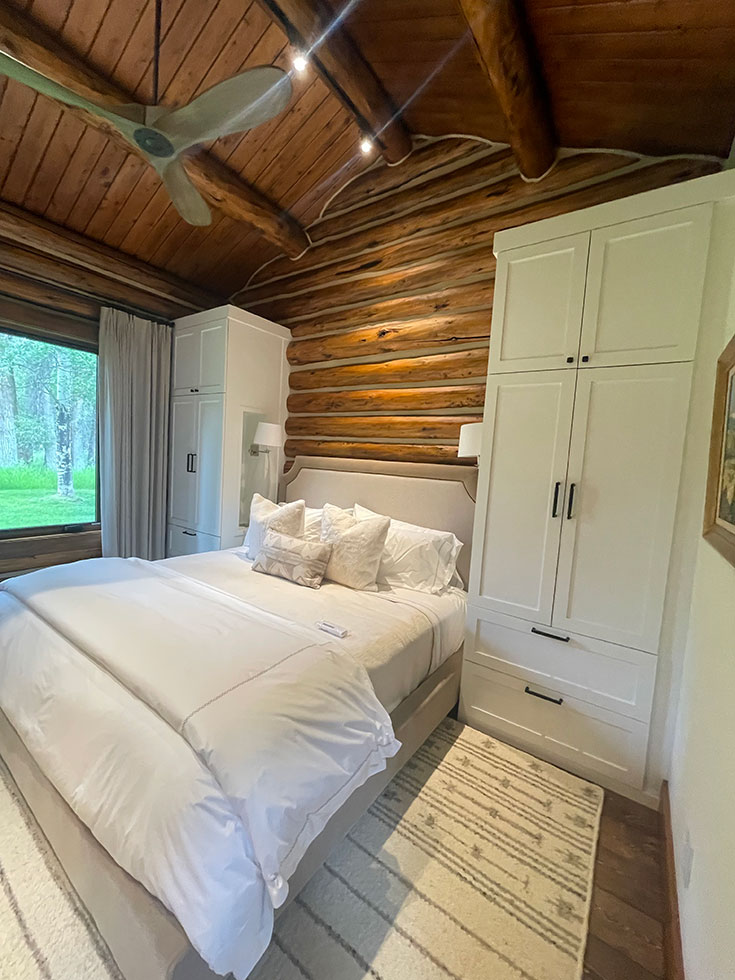
Encourage guests to really settle in by giving them space to store all of their stuff. Do this without diminishing the size of rooms with custom built-ins. “A guest house is like a boat—you have to use every space,” says architect Shawn Ankeny, who founded Ankeny Architecture and Design in 2005. For the primary suite of a guest house, Ankeny designed built-in closets on either side of the bed (shown here). Window nooks are another option that serve a dual purpose. In addition to offering storage, they can also provide additional seating or even an extra bed.
3. Curate Coziness
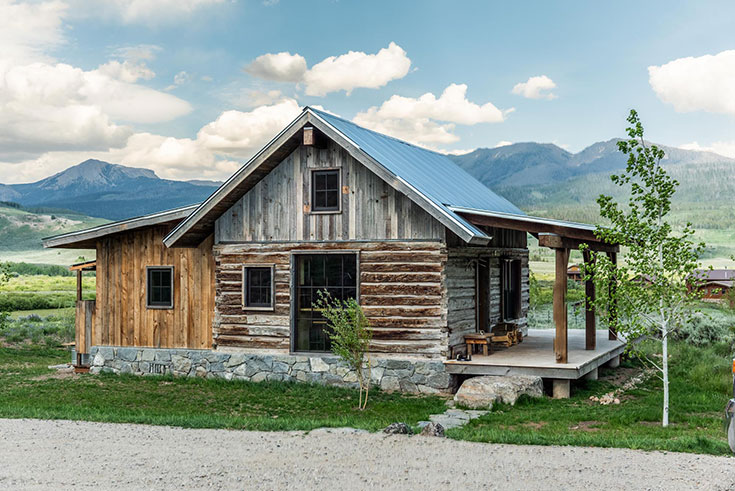
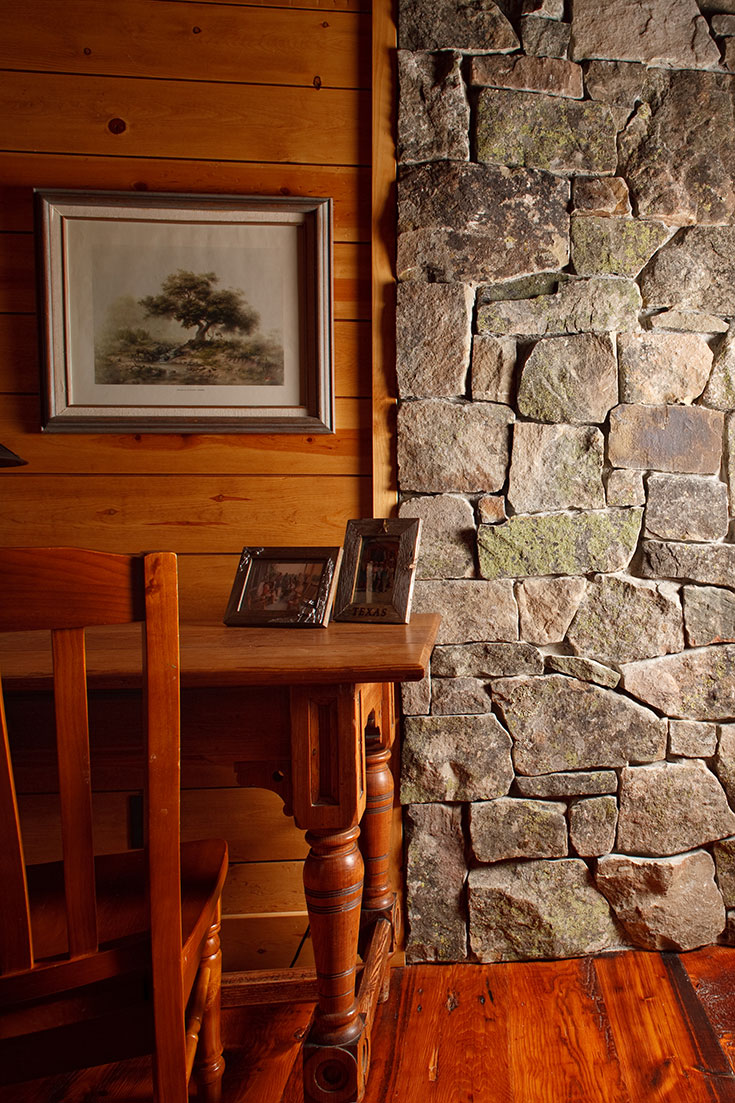
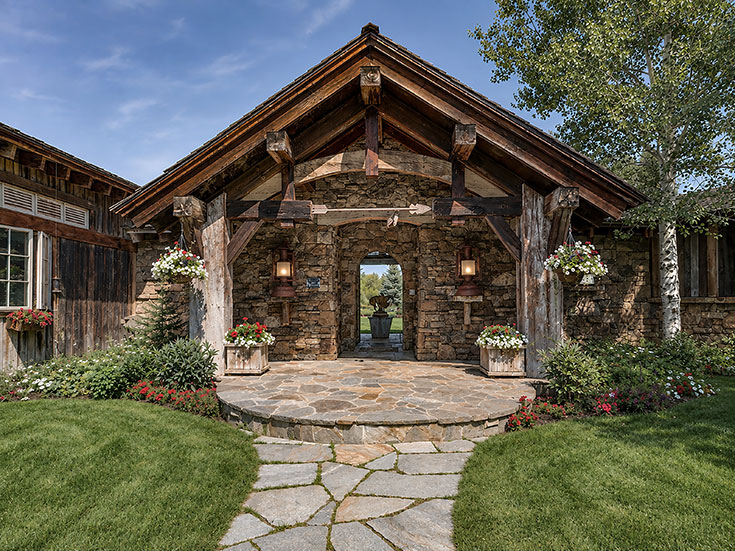
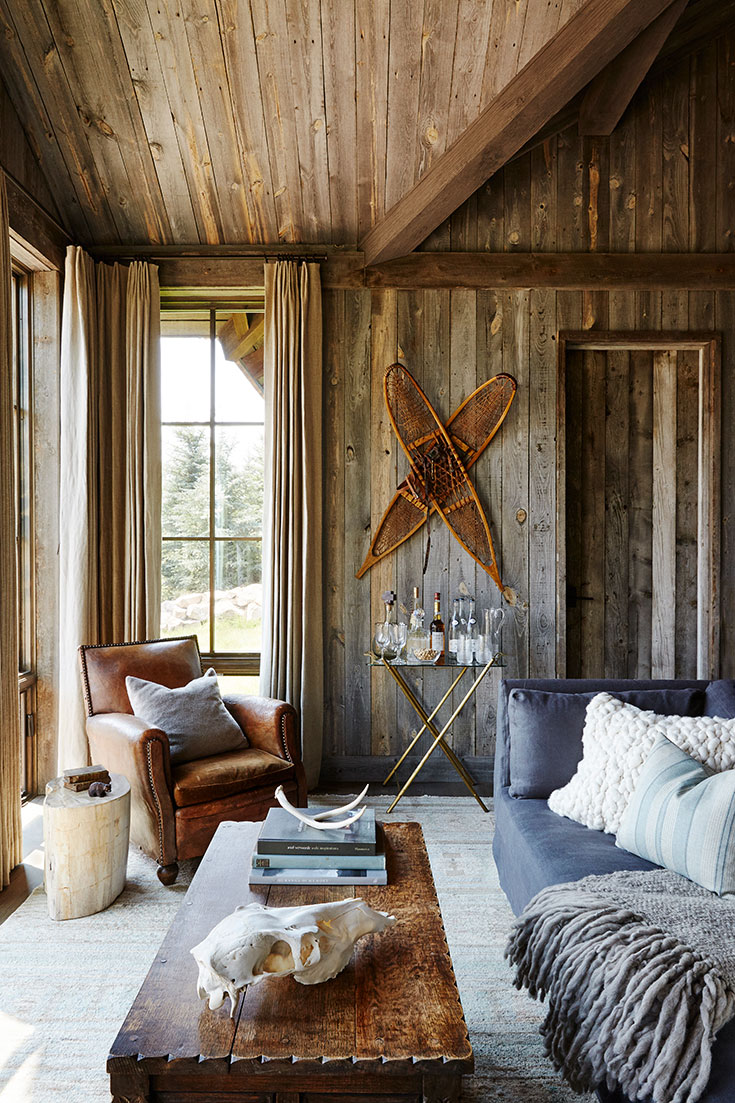
Both Ankeny and White Burns have a soft spot for remaking historic cabins into guest houses. “There is something so iconic and cozy about a little cabin,” White Burns says. If this isn’t an option, consider a wood-burning stove or fireplace, or an interior materials palette that includes natural materials. In an Ankeny guest house, the living room includes a fireplace with a stone surround. The wall the fireplace is in is shared with the primary bedroom. Ankeny could have designed a regular wall on the bedroom side, but instead, she carried over the stone from the surround in the living room. “That made the bedroom feel cozier,” she says. Reclaimed wood can evoke a similar feeling. “There are properties where the main house is more contemporary, but the guest house is all wood on the inside,” Ankeny says.
4. Make It Feel Bigger
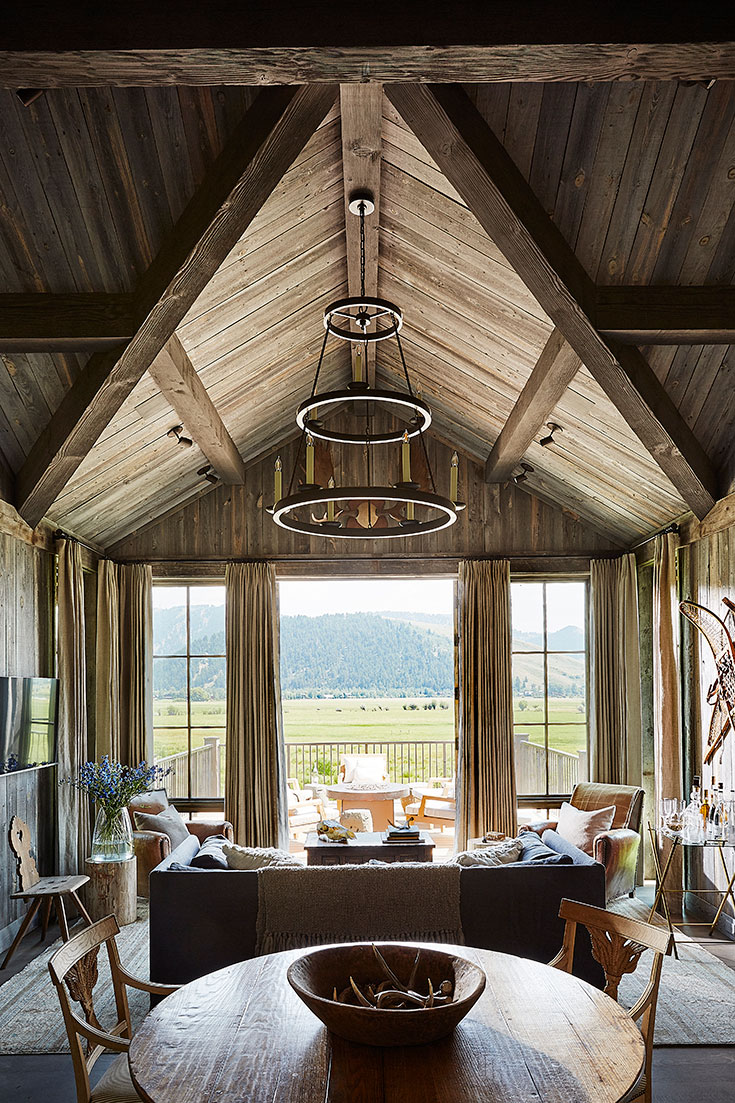
A paradox of guest houses: they’re small—Teton County building codes require they be less than 1,000-square-feet—but you want them to feel spacious. “Anything you can do to make a guest house feel more generous is helpful,” architect Ankeny says. This can be done with vaulted ceilings, expansive porches, and big windows that go to the floor. Most expansive of all? Have windows that go to the floor with an adjacent porch.
5. Make It a Destination
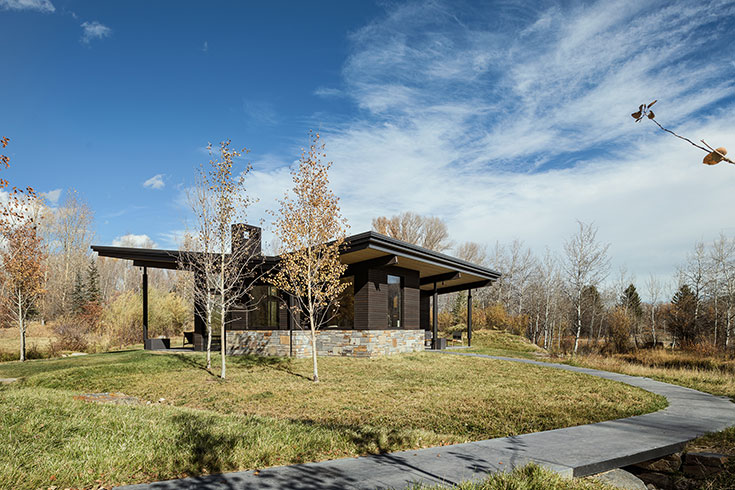
Ankeny loves when a property offers the opportunity to site a guest house so that it has its own sense of place. “Because guest houses are small, you can tuck them into cool spots, like a stand of trees or by a creek,” she says. “A guest house that is in its own special place on a property feels like a destination that people want to spend time in.” An added benefit of a guest house off on its own is that it can be connected to the main house and parking by a rustic path, “which makes the experience more interesting,” Ankeny says. Shown here is a Ward | Blake Architects guest house connected to the main house by a pathway.
6. Proper Proportions
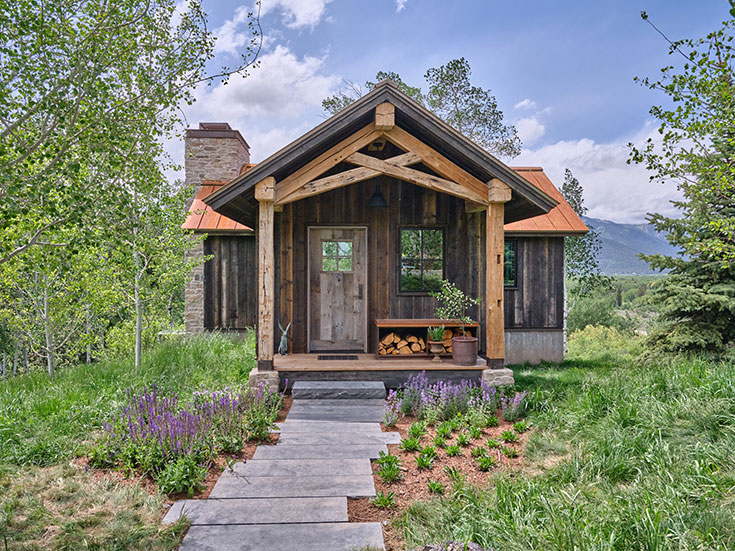
Logan Leachman, owner/partner at JLF Architects says that the firm’s clients increasingly desire guest houses to include the same level of detail as the main house. “We’re bringing the same level, or even enhanced, detailing as in the larger house into this smaller package,” he says. “The trick is not to repeat the details at the same scale, since guest houses are smaller spaces.” For example—you can’t just repeat the same size roof overhang as is on the larger home on a smaller structure. A guest house kitchen can have all of the same appliances as the main house, but scaled back to fit the needs of someone who might only be there for several days. “When proportions are correct, a space has a relaxing, calming feeling, but when they’re out of whack, it just doesn’t feel calming,” Leachman says. In a disproportioned space, you might not be able to put your finger on why you don’t feel comfortable, “but you know it when it happens,” Leachman says.
7. Go for The Bedroom Suite
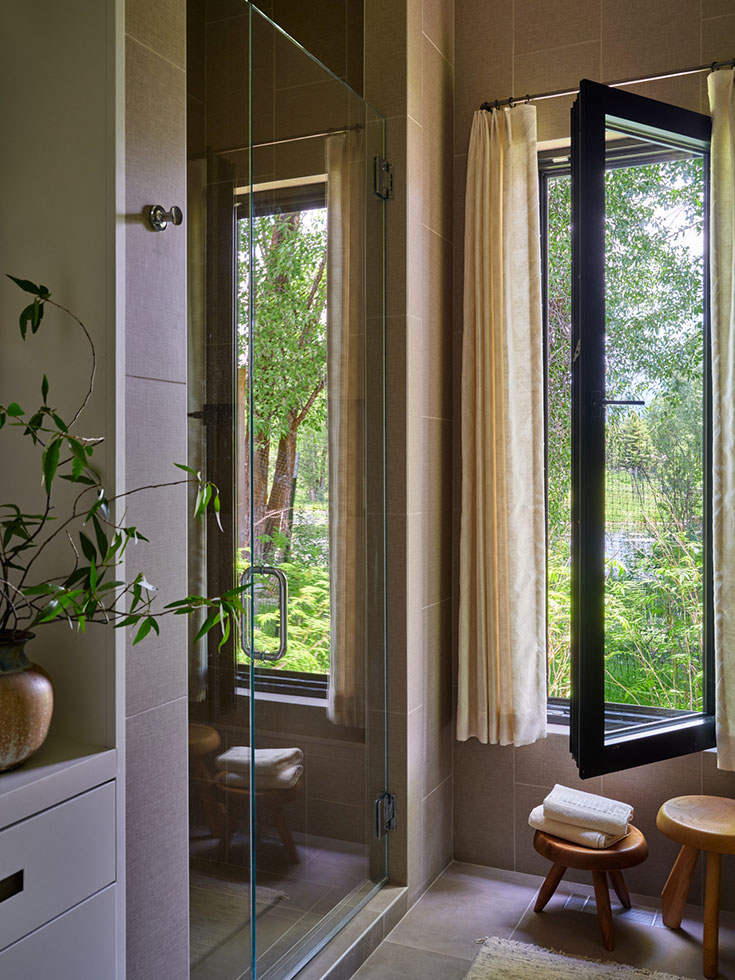
Over the last decade, guest bedrooms in main houses have increasingly been designed as suites. Do the same with bedrooms in the guest house. Meredith Leonard, director of operations and interiors at Farmer Payne Architects, says clients are increasingly asking for bedroom suites in their guest houses. “Our clients take pride in their homes and want their guests to have an elevated experience,” she says. WRJ’s Jenkins sees the same thing: “Most of the guest houses we design include two suites, sometimes a primary suite paired with a bunk room, and other times two equally appointed suites to comfortably accommodate either families or couples traveling together.”
8. Allow for Independent Living
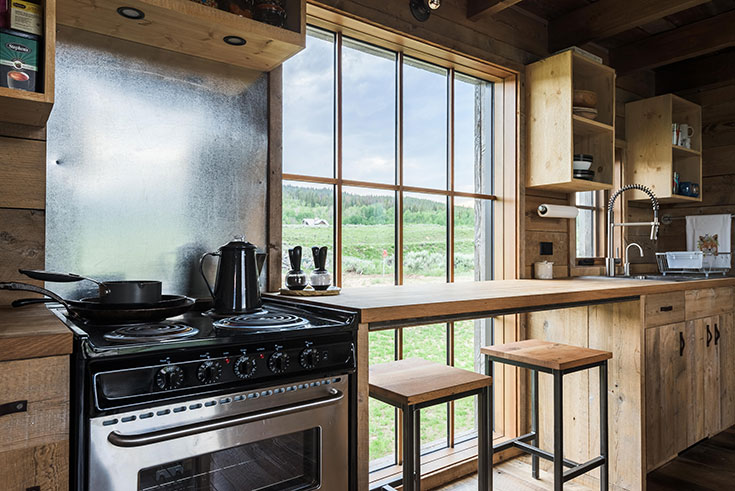
“Clients increasingly want guest houses that include all the amenities of independent living, a true home away from the main home,” WRJ’s Jenkins says. “A well-designed guest house borrows from the best parts of a luxury hotel experience, but it also goes beyond it. A guest house gives homeowners the ability to extend hospitality with privacy and ease. Friends or family can stay on the property without being underfoot in the main house, creating a generous and effortless experience for everyone.” Set guests up to be self-sufficient with a well-appointed kitchen (including a stocked coffee station), a washer and dryer, and a dedicated desk area. Interior designer White Burns says that when a guest house is set up so guests can be completely self-sufficient, you’re giving them a gift: “Then they have the luxury of visiting the main house on their own terms.”
9. Connect to Nature
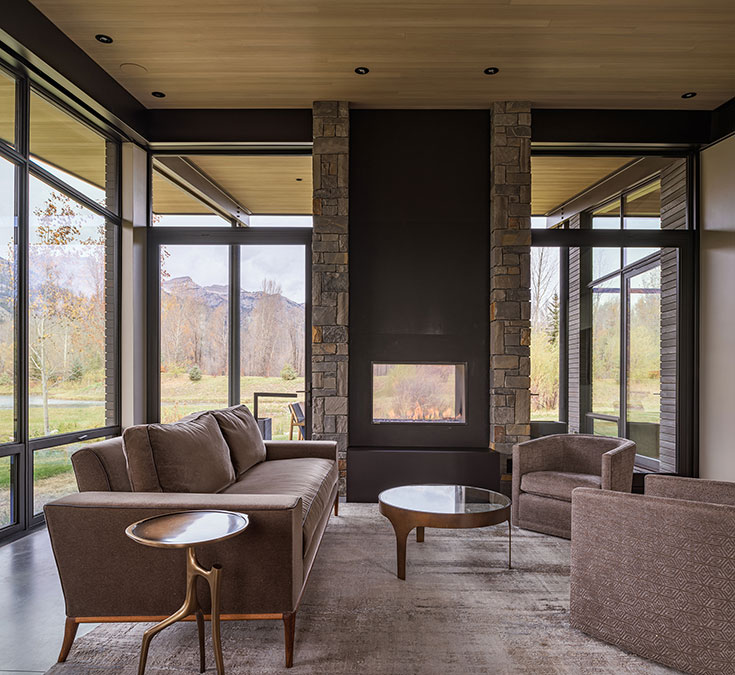
“Airflow is a detail guests consistently appreciate,” Jenkins says. “In Jackson especially, the ability to open windows and let in fresh mountain air, even in winter, makes the experience feel grounded in nature.” Another way to do this is with windows and porches. A Ward | Blake Architects-designed guest house (shown here) has a living room with floor-to-ceiling windows. “It allows the space to flow and connect to outside,” says firm principal Tom Ward.